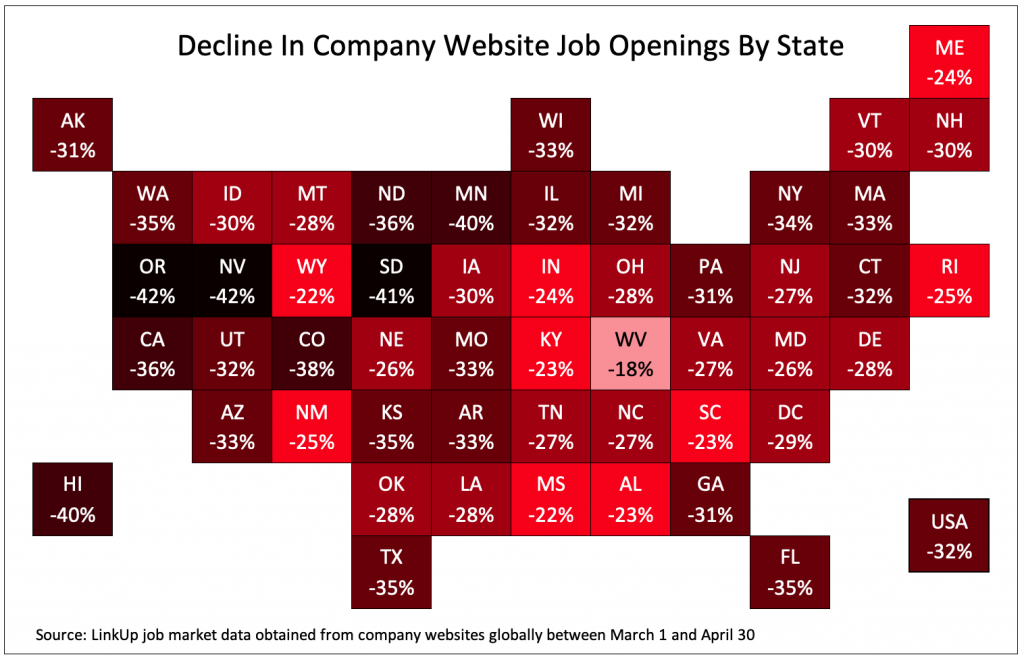
There are many data points that help to tell the story of the coronavirus pandemic. This week, we were particularly interested in what LinkUp data tells us about how states job counts are changing amid the pandemic, and whether there is a relationship between job counts at the state level and the number of confirmed COVID cases per county.
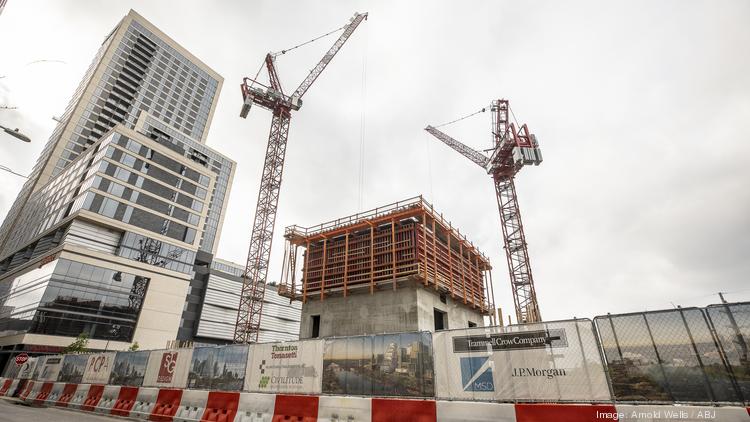
Total construction starts declined 25% from March to April to a seasonally adjusted annual rate of $572.2 billion as COVID-19 and economic recession hit the construction sector. In April, nonresidential building starts fell 37% from March, while residential dropped 25%. The decline in nonbuilding construction starts was more tepid, falling just 5% due to strong activity in streets and bridges.
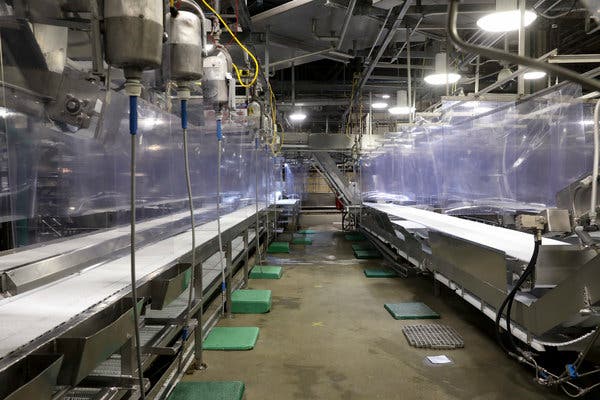
Over the past several weeks, meat processing plants around the world have been receiving increased attention in the media. The high numbers of COVID-19 cases in these locations, where physical distancing can be difficult, has affected meat supply chains across the country.
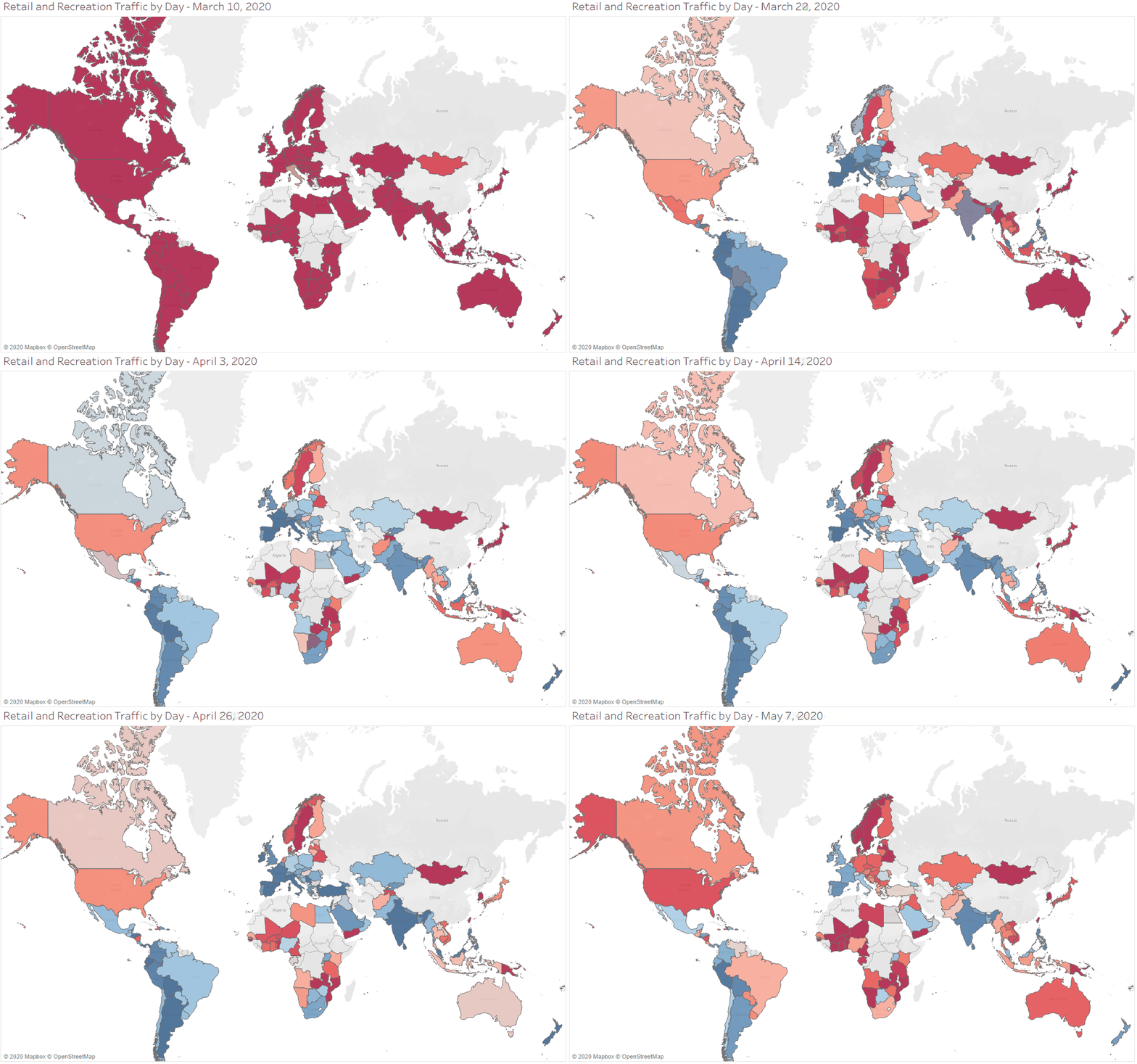
Global social distancing among countries, which had mostly been moving in lockstep, has now diverged materially. Despite large daily COVID-19 case count increases, places like Australia, the United States, Brazil and most of Eastern Europe and Southern Africa have seen large increases in retail and recreation traffic.
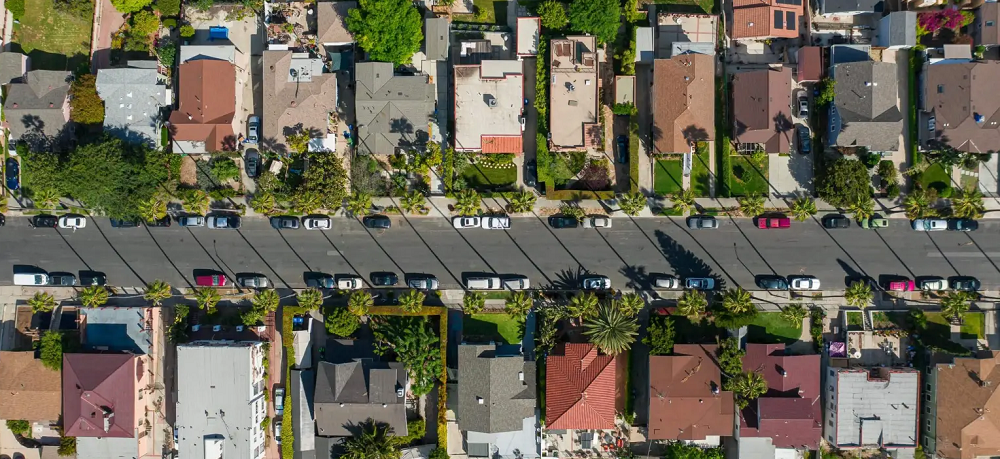
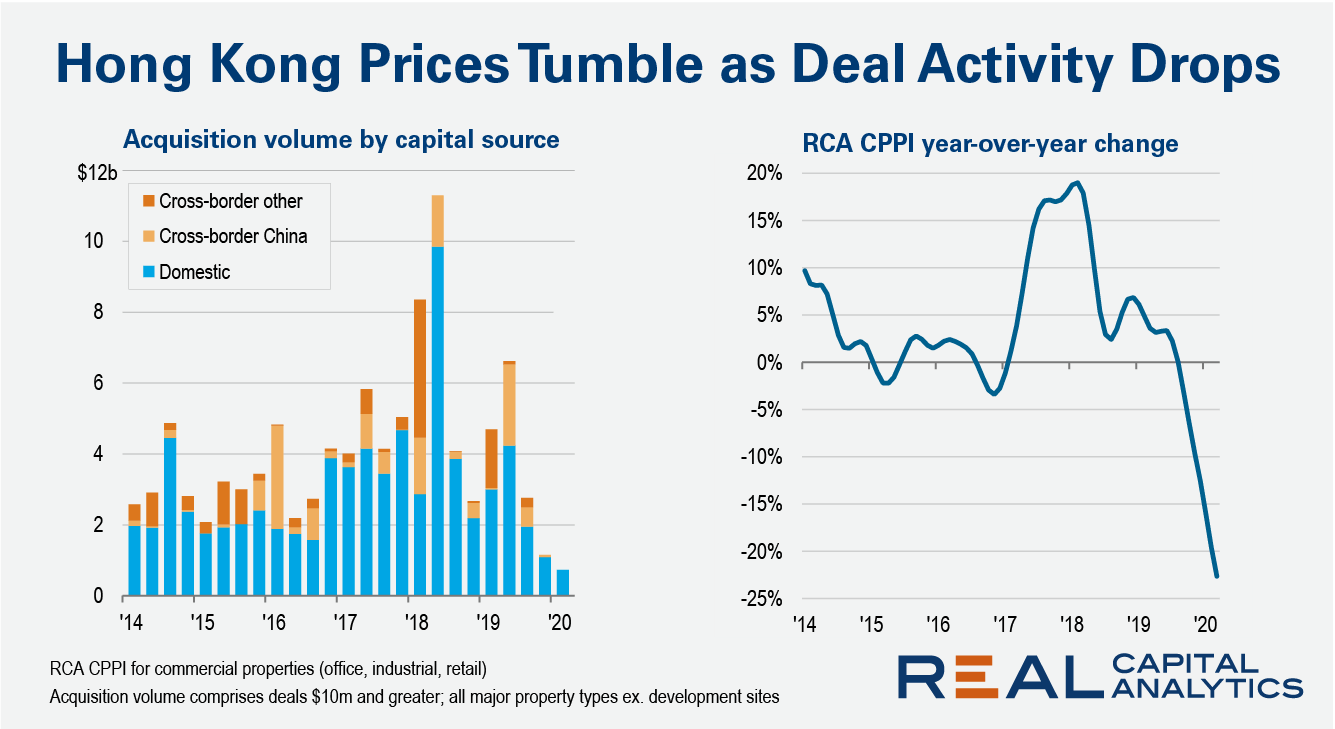
Commercial real estate markets are often referred to as roller coasters as the relatively fixed supply of investment grade stock forces prices higher during the good times and lower when that demand ebbs, sometimes very quickly. One market that illustrates the highs and lows of real estate investment in recent times is Hong Kong.
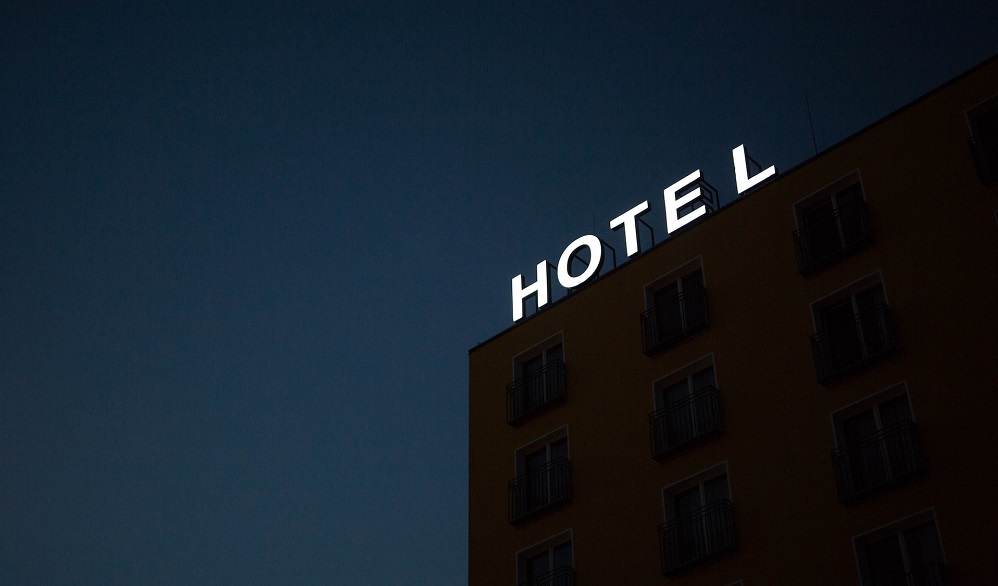
STR data for 3-9 May 2020 showed continued modest gains in U.S. hotel occupancy compared with previous weeks, but a similar level of year-over-year decline in the three key performance metrics.
Authorities around the world are working hard to understand how people are altering their behavior as rules around social distancing begin to change.
Gathering data on where people are congregating is a valuable measure for understanding risks and calculating the likelihood of a second wave of infections.
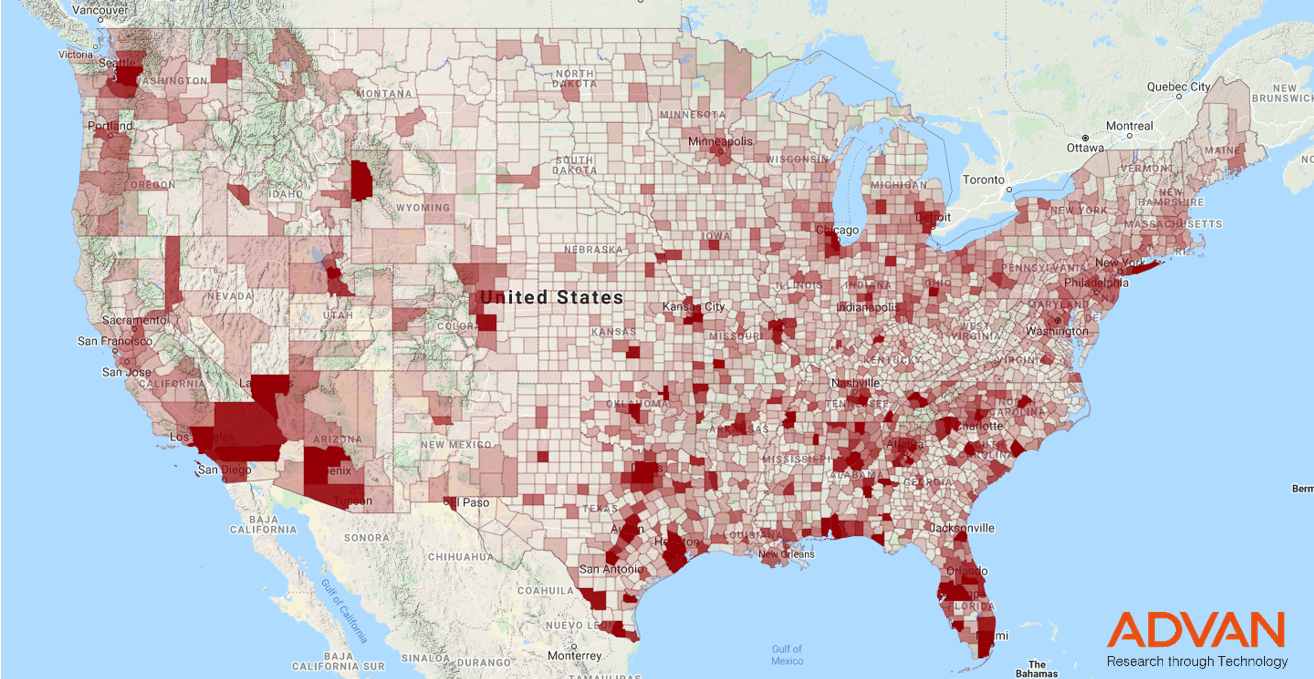
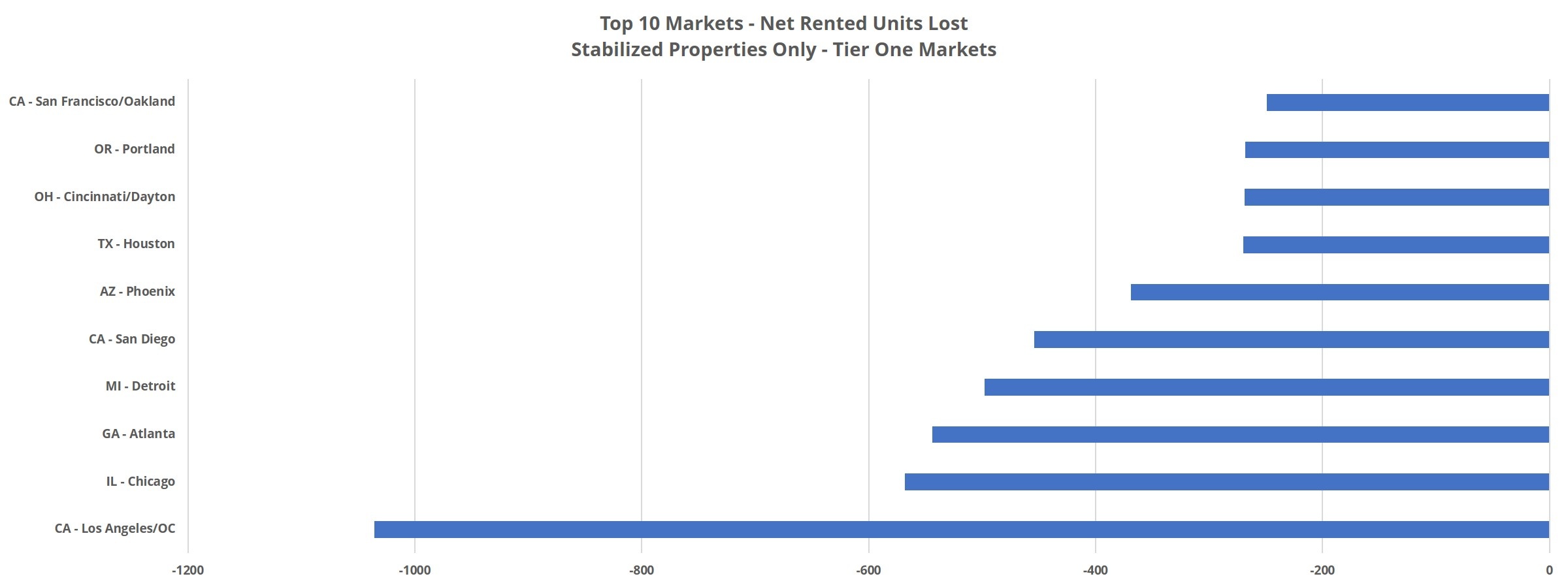
The dominant story of 2020 across all markets continues to be COVID-19 and the fallout from both the virus and the response to it. The impact is being felt across the economy, and multifamily real estate is no exception. April was the first full month in which a majority of the country was locked down and provides a first full look at what that may look like for the apartment industry. We’ll use this space to highlight some best and worst performing markets in April.
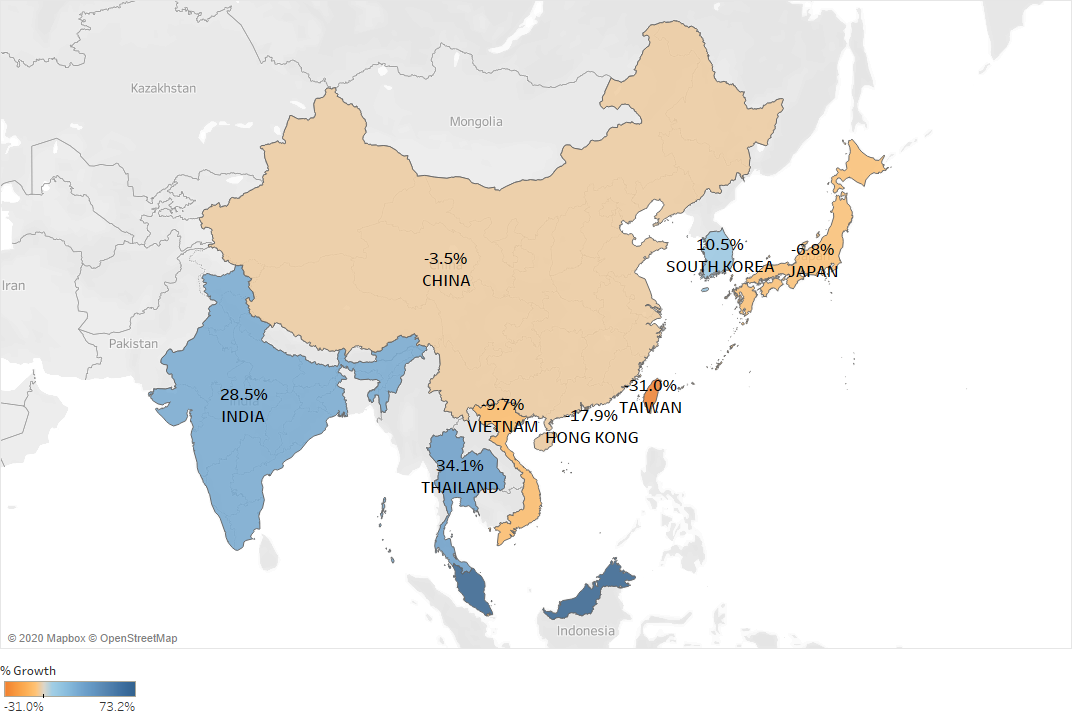
Not every country is experiencing the impact of the COVID-19 shutdown in a similar manner. By examining data from Datamyne, a leading provider of customs import and export data, we can see that each country’s experience is unique.
The social and economic changes due to the COVID-19 crisis are affecting the business and practice of law. In federal district court, we have seen a slowdown in court activity, but not in case filings. In this blog post, we investigate situations in which COVID-19 social and economic changes may be the driving forces behind new case filings.
In some countries the number 111 is believed to bring bad luck. In cricket it is called a “Triple Nelson”, feared by Australian cricketers more than an English bowling attack, but we might just be at the moment when after 111 days from the 20th January that we begin to see some modest capacity growth at a global level.
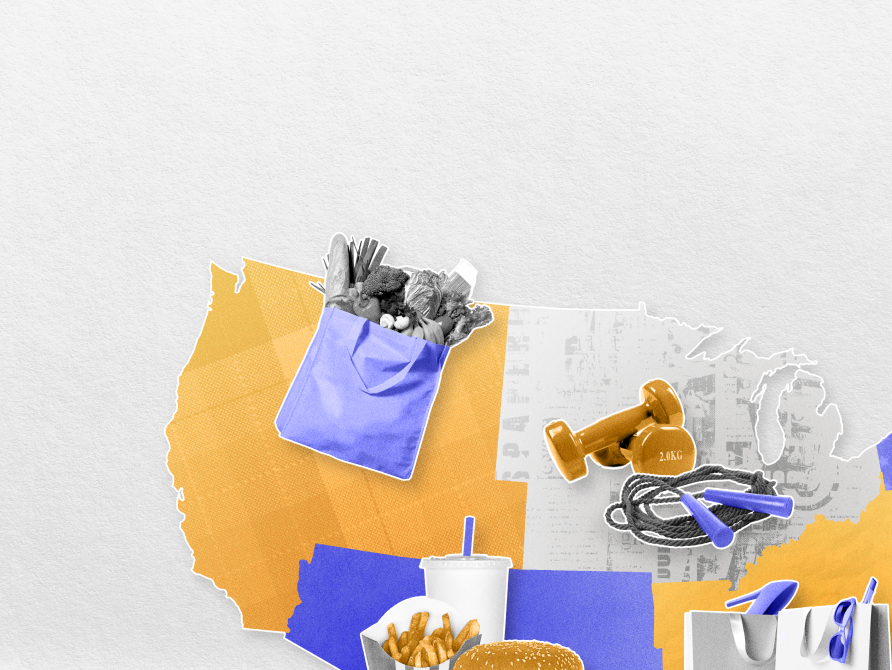
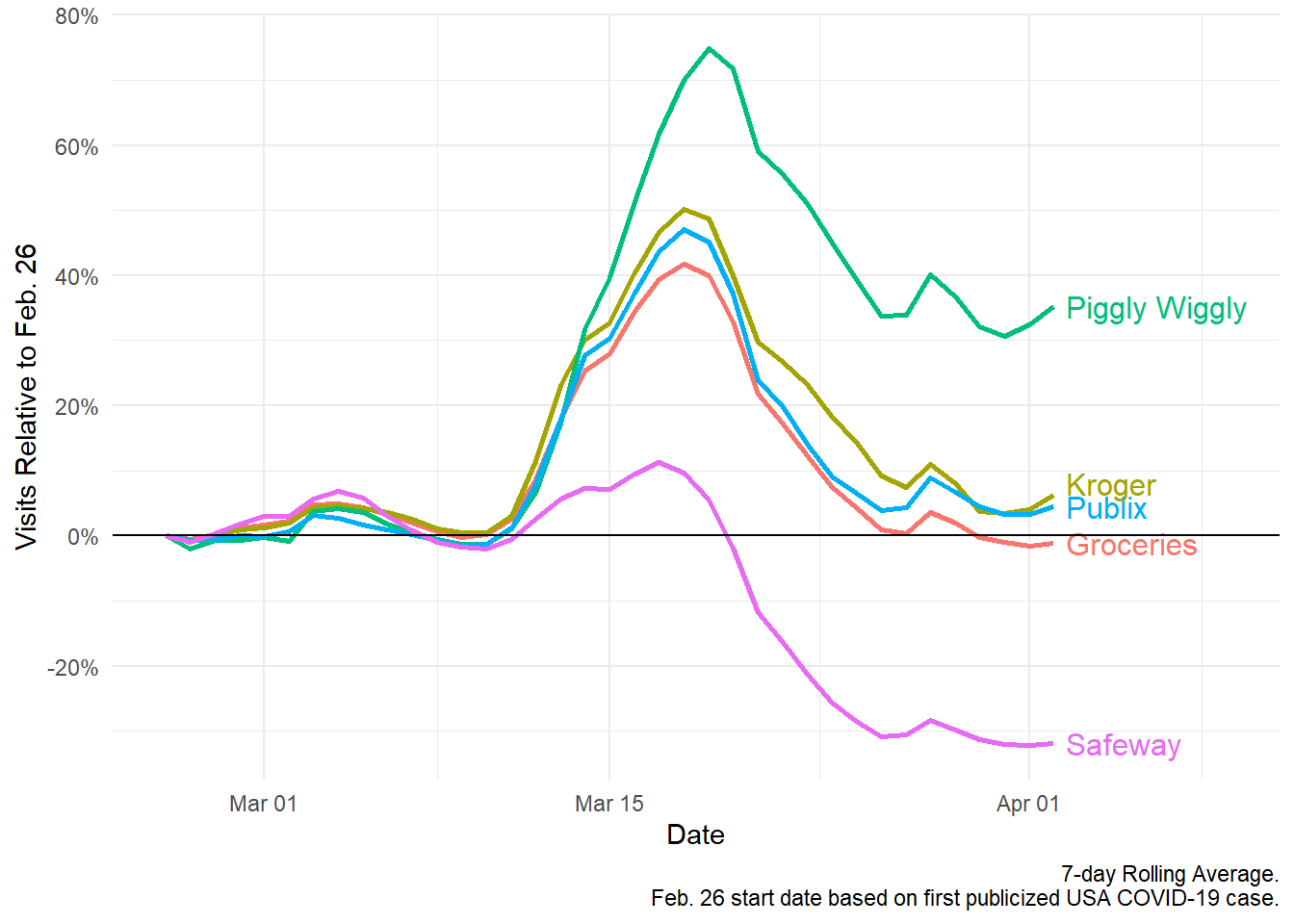
In the charts that follow, we’ll look at SafeGraph’s weekly foot traffic patterns dataset to take a closer look at what’s becoming more and more of a tenuous relationship between consumers and grocery stores—as well as a few other select food service businesses—as we get closer to the peak of the COVID-19 crisis here in the U.S.
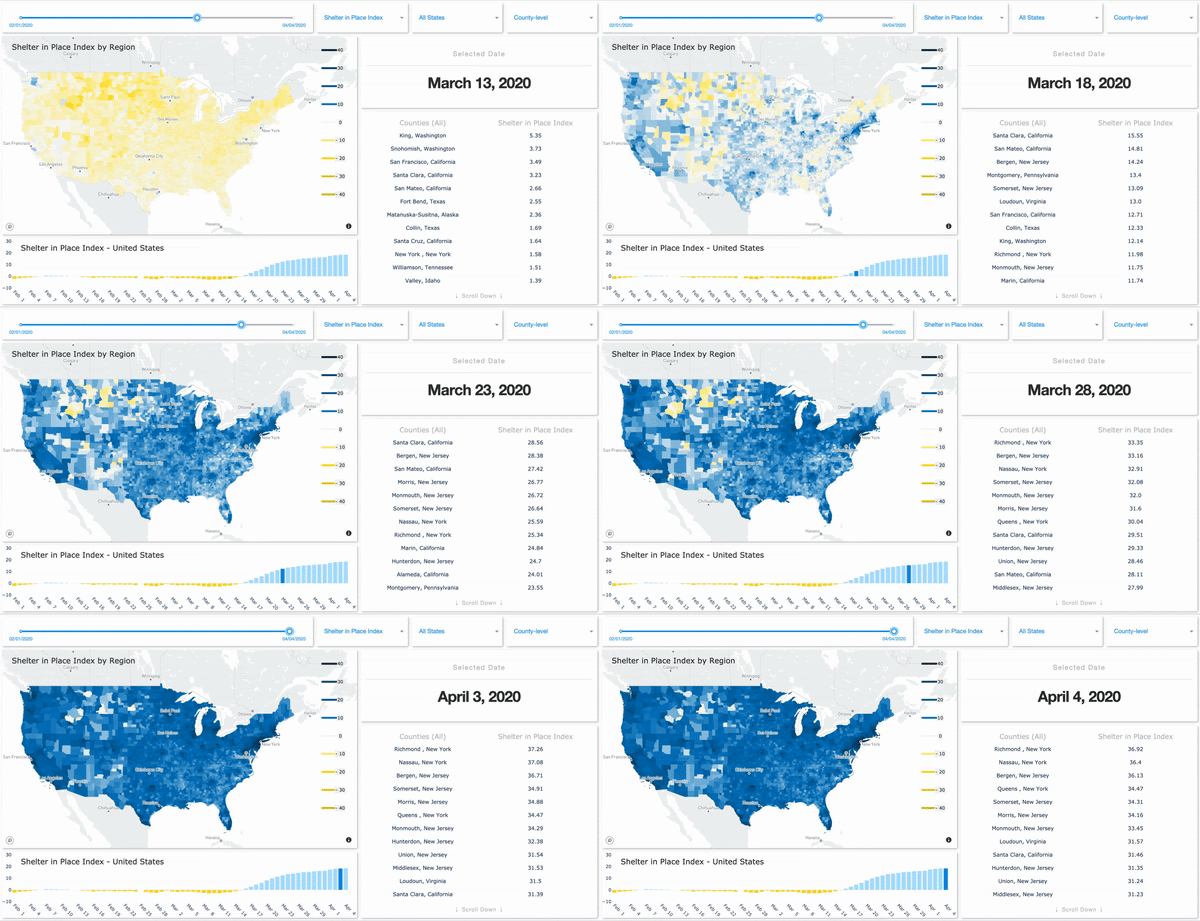
Social distancing and stay-at-home measures are in full swing across the U.S. But as SafeGraph’s Shelter-In-Place dashboards show, not everyone is hunkering down at home in the same way. This begs the question: what’s driving these different responses in each state?
Data from online intelligence firm LikeFolio shows that online purchase intent data for Peloton has remained steady over the past month, up roughly 1000% versus pre-COVID levels. This impact could clearly be seen in Peloton’s earnings last week as the company guided revenue growth up 128% for the current quarter. LikeFolio analyzes social media data to accurately surface shifts in consumer spending behavior, product sentiment and purchase intent.
After months of being closed, Disney announced that it would reopen its Shanghai park with added social distancing precautions. Tickets for the May 11th opening went on sale the previous Friday and sold out almost immediately. Disney limited the number of visitors to the park to 30% of its normal capacity based on requirements from the Chinese government.
Looking at the monthly raw data in aggregate, total unique job listings in the U.S. fell 23% with new job openings falling 37% from March and removed job openings dropping 29%.
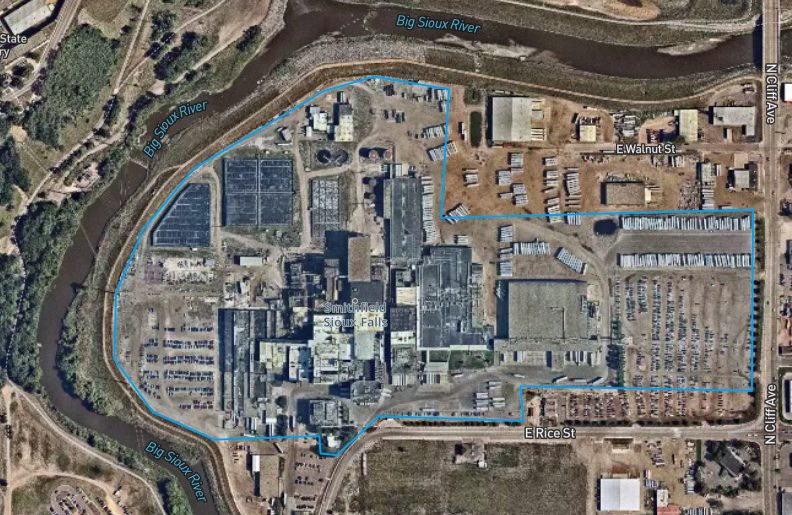
The global food supply chain is becoming ever more vulnerable as the largest pork producer, Smithfield Foods, closed several meat processing factories after facing mounting COVID-19 infections. One of its factories in Sioux Falls, South Dakota which produces 5% of U.S. pork products, found more than 640 coronavirus cases.
Lex Machina continues to explore how courts are affected by the social changes due to the COVID-19 (coronavirus) pandemic. Our analysis of court activity in March revealed the following:
* Case filings have not yet been significantly impacted year-over-year.
* Case activity is down.
* COVID-19 is showing up in court records mainly due to general orders regarding procedural changes.
Airbnb bookings in the U.S. are rebounding at an accelerating rate, implying a possible V-shaped recovery for short-term rental bookings, and potentially the accommodations industry and even the wider economy.
China’s Jiguang is one of the country’s leading providers of geolocation information. By analyzing their data we can look across China to better understand how the country is snapping back post the re-opening of Wuhan and the rest of the country.